You see two similar listings on Lake Martin, but one says “waterfront” and the other says “deeded water access.” Which one fits your life, budget, and boating plans? If you are early in your search, these labels can be confusing and costly to misunderstand. In this guide, you will learn what each term really means on Lake Martin, how they affect price and privacy, and the steps to take before you make an offer. Let’s dive in.
Lake Martin factors that shape access
Lake Martin is a large, managed reservoir with extensive shoreline and many different subdivisions. Alabama Power operates the lake, which means shoreline rules and dock permitting are part of almost every decision for homes near the water. Public access points, including state park facilities and various boat ramps, help many owners without private docks enjoy the lake, while HOA communities may offer shared docks or marinas.
Because of this mix, the words on a listing matter. Your rights and your daily experience can be very different from one access type to another.
What “waterfront” means on Lake Martin
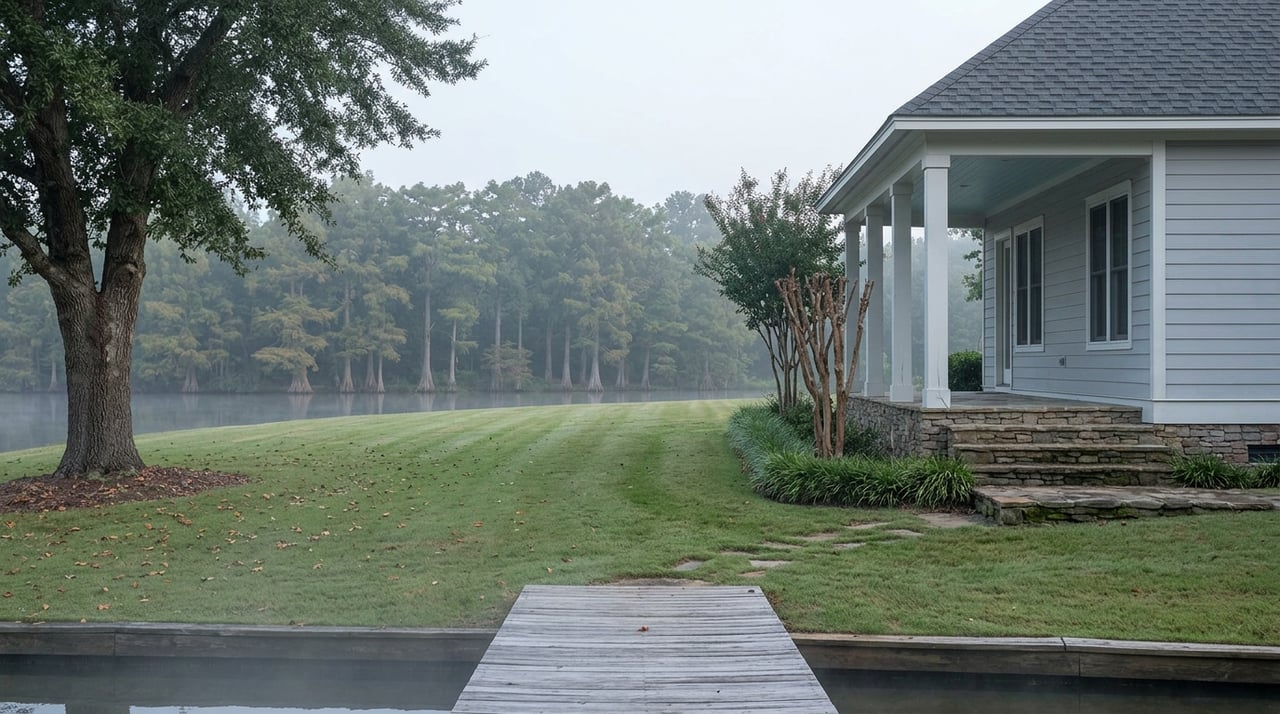
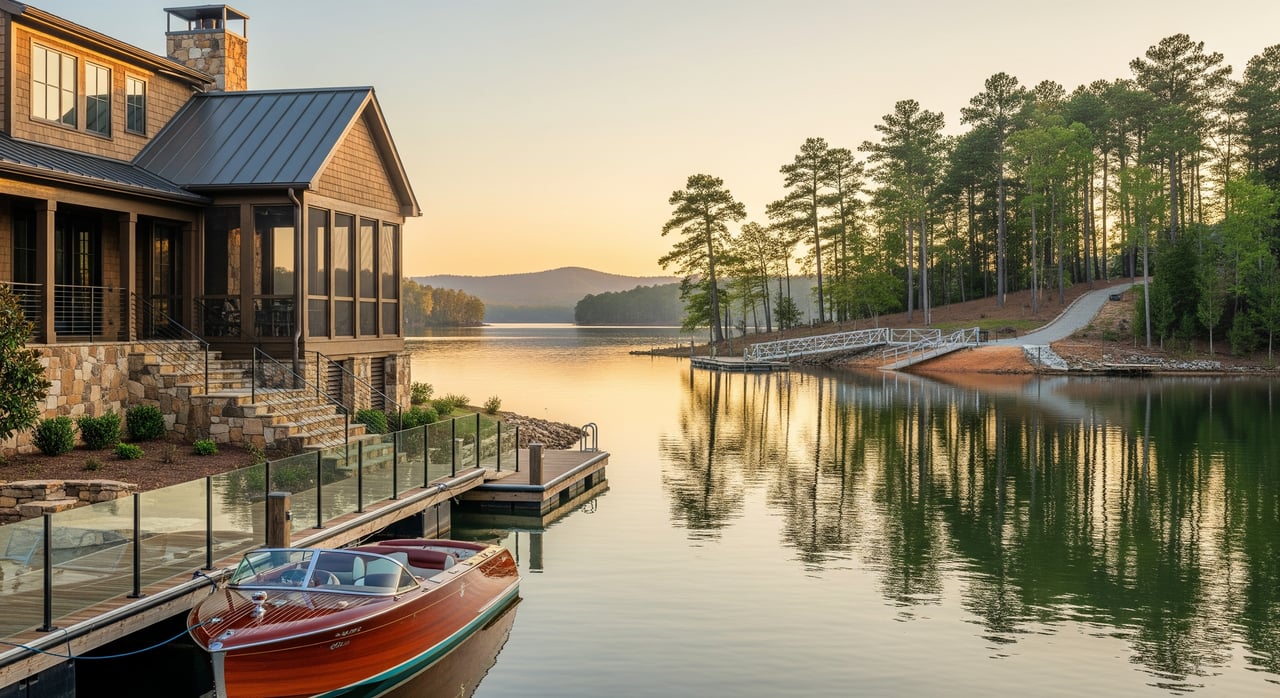
Waterfront means the parcel boundary actually touches the lake. You typically enjoy the most direct path to the water and the potential for a private dock or boathouse.
- On Lake Martin, shoreline structures require review by Alabama Power. A waterfront lot does not automatically grant unrestricted dock rights. You still need to follow shoreline management rules and obtain any required permits before building or expanding structures.
- Verify any recorded easements or restrictions that could affect how you reach or use the water. A past owner’s permit may not transfer without review.
- Expect the highest convenience for daily boating and swimming, and a price premium that reflects direct access, view quality, and dock potential.
What “water view” really offers
Water view properties have a clear view of the lake but do not include private shoreline frontage. You may access the water using a public ramp, an HOA facility, or not at all, depending on the property.
- These homes often sit on hillsides or ridges. The view carries lifestyle and resale appeal at a lower price point than true waterfront in most cases.
- Without deeded or community access, you will rely on public ramps or marinas to launch and store boats.
What “deeded water access” includes
Deeded water access means a recorded deed or easement grants you a legal right to reach and use a specific path, ramp, dock, or slip.
- The deed language controls the details. It can define who may use the access, parking rights, hours, and whether the right transfers when the home sells.
- Deeded access does not automatically allow you to build a private dock or boathouse. You must review the deed or easement and confirm Alabama Power requirements for any shoreline structure you hope to add.
- This option often balances convenience and cost. It can be ideal if you boat regularly but do not need private frontage.
What “shared/community access” means
Shared or community access is commonly provided by an HOA, neighborhood, or marina. Owners use common shoreline areas, docks, or boat ramps maintained by the community.
- Rules, fees, and capacity are defined in the governing documents. Some communities have slip waitlists, guest-use rules, and parking limits.
- This category provides a lower-cost entry to lake life and can be very social. The tradeoff is less privacy and control than private waterfront.
Price, privacy, and boating tradeoffs
Every access type has a different blend of cost, convenience, and privacy. On Lake Martin, local conditions such as cove vs open water, proximity to public ramps, and navigable depth also play a role.
- Waterfront: Highest premium and the most direct boating convenience. Open-water, deep-water frontage with big views often tops the market. Narrow coves or shallow channels usually price lower than comparable open-water lots. Privacy depends on location; busy stretches can bring more wake and noise.
- Deeded access: Lower cost than true waterfront with practical convenience for boaters. The experience depends on the strength of easement language and the setup of slips, parking, and pathways.
- Shared/community access: Typically the most budget-friendly way to be near the lake with frequent use. Expect rules, dues, possible waitlists, and shared maintenance obligations.
- Water view only: Enjoy the scenery and resale appeal at a lower price, but factor in the time and logistics to reach ramps or marinas for boating days.
Seasonal water-level management can affect dock usability and navigable depth. Coves often provide calmer water that is easier on docks, while open water offers fast access but more exposure to wakes and wind.
Quick decision guide: match type to your goals
Use this simple checklist to narrow your focus before you tour homes:
- Your budget: If you plan to invest in view and private access, focus on waterfront. If you want lake lifestyle at a lower price, consider deeded access or community docks.
- Your boating frequency: Daily or weekend boating usually points to waterfront or strong deeded access. Occasional boating can fit well with community access or water view plus ramp use.
- Your privacy preference: Waterfront can offer more private access, but location matters. If you do not want shared spaces, prioritize waterfront or exclusive deeded access. If you enjoy a social environment, community docks work well.
- Your plans for docks or lifts: If you want a private structure, confirm Alabama Power rules and any existing permits before you buy.
Due-diligence checklist for Lake Martin buyers
Do not rely on listing labels alone. Verify the details early to avoid surprises later.
- Title and deed review
- Confirm whether the lot line truly meets the lake or whether you rely on a recorded easement.
- Read deed language for riparian rights, access limits, and any restrictions on docks or boathouses.
- Plats and surveys
- Order a current boundary survey that shows the high-water mark and all easements or access paths.
- Alabama Power requirements
- Confirm whether a current dock, lift, or boathouse has a valid permit and whether it can transfer.
- Ask about size and location limits for any planned structures and any applicable shoreline easements.
- HOA or community documents
- Review CC&Rs and rules for slip assignments, waitlists, guest use, parking, and maintenance responsibilities.
- Physical condition
- Inspect docks, pilings, anchors, and seawalls for wear or rot.
- Evaluate access paths, steps, and slopes for safety and maintenance needs.
- Locate the septic system, verify capacity, and confirm compliance with local health regulations.
- Check for erosion or vegetation issues along the shoreline.
- Flood and insurance
- Review FEMA flood maps to understand risk and potential lender or insurance requirements.
- Obtain quotes for homeowners and flood insurance; premiums can differ for waterfront and near-water properties.
- Practical boating questions
- Is a private slip included or available, and is there a waitlist?
- Are parking and guest privileges included at the access point?
- What is the typical navigable depth from the dock to the main lake, and how does it vary seasonally?
- Are there patterns of heavy boat traffic, wakes, or noise near the property?
- Local permits
- Confirm county requirements for septic, dock work, and any shoreline improvements in the relevant jurisdiction.
Hidden costs to plan for
Building or maintaining lake access often involves more than the purchase price. Build a realistic budget that fits your goals.
- Dock and boathouse work: Cost depends on size and type, plus permits and ongoing maintenance. Get multiple local bids before you commit.
- HOA or marina fees: Expect dues and potential special assessments for dock repair, shoreline work, or common-area improvements.
- Insurance: Waterfront and near-water properties can have different insurance needs and premiums. Shop early to compare coverage.
- Property taxes: Waterfront status and improvements can affect assessed value. Check with the local county tax office for how assessments work in your area.
How to compare two listings the smart way
When two homes look similar online, use these steps to test real-world value:
- Identify the access type. True waterfront, deeded access, shared/community, or view only.
- Read the fine print. Ask for the deed, easement, survey, HOA rules, and any Alabama Power permits tied to shoreline structures.
- Walk the access. Visit the dock or path, check parking, and estimate the time from the driveway to the water.
- Test the boating plan. Map your route to open water, note depth, and observe wakes and traffic at different times of day.
- Price with the right comps. Compare recent local sales with the same access type, similar water setting, and similar dock setup.
Make a confident choice with local help
Choosing between waterfront and water-access on Lake Martin comes down to how you want to live, boat, and gather with family and friends. If you value instant water access and full control over your own dock, waterfront may be worth the premium. If you want a smart balance of cost and convenience, deeded or community access can deliver the lake lifestyle without private frontage.
When you are ready to compare real options, schedule a conversation with a local, broker-led team that works this shoreline every day. We can help you verify deeds and permits, read HOA rules, and price the right features for your goals. Start your search with the specialists at Lake Area Realty Inc (AL).
FAQs
What is the difference between waterfront and water view on Lake Martin?
- Waterfront means the lot line touches the lake, which can allow private docks with proper permits. Water view offers a scenic outlook without private shoreline frontage or automatic water access.
Do I need Alabama Power permits to build or modify a dock?
- Yes. Alabama Power regulates shoreline structures on Lake Martin. Always confirm current permits and any size or location limits before planning a dock or boathouse.
How does deeded water access differ from HOA or community access?
- Deeded access is a recorded legal right tied to a property with specific terms. HOA or community access is governed by community rules, may change over time, and can include fees or waitlists.
Are cove lots better than open-water lots for boating?
- Coves usually have calmer water and protect docks but can have shallow or winding channels. Open water offers big views and faster access but more wakes and wind exposure.
Will I need flood insurance for a Lake Martin waterfront home?
- Requirements depend on FEMA flood maps and lender rules. Check the property’s flood zone and get insurance quotes early, since premiums can vary by location and elevation.